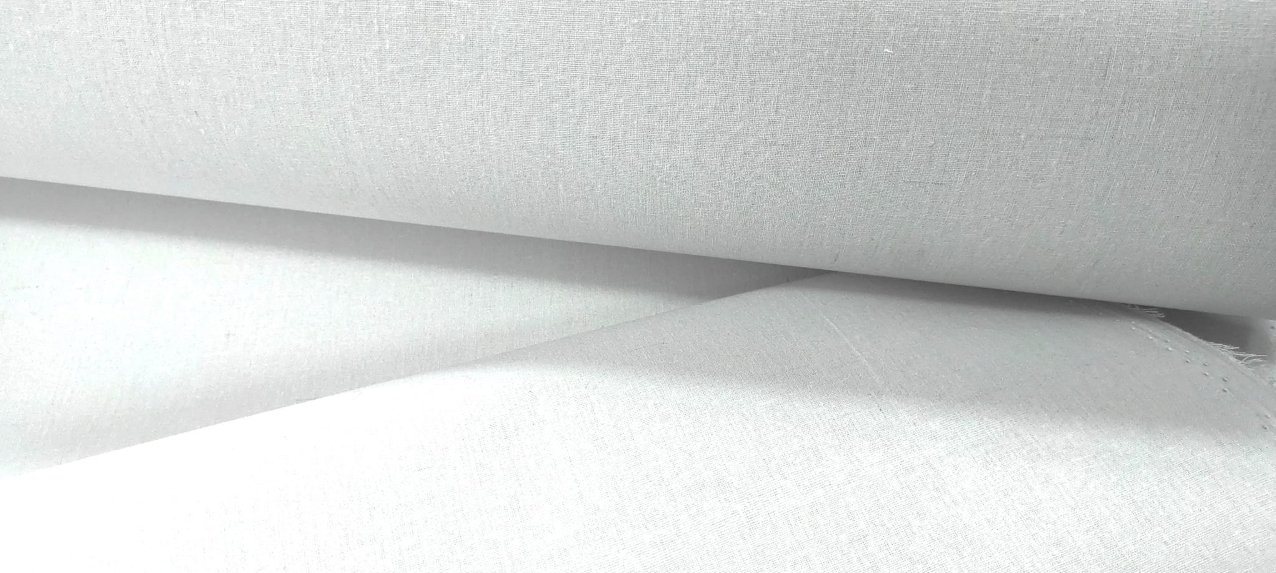
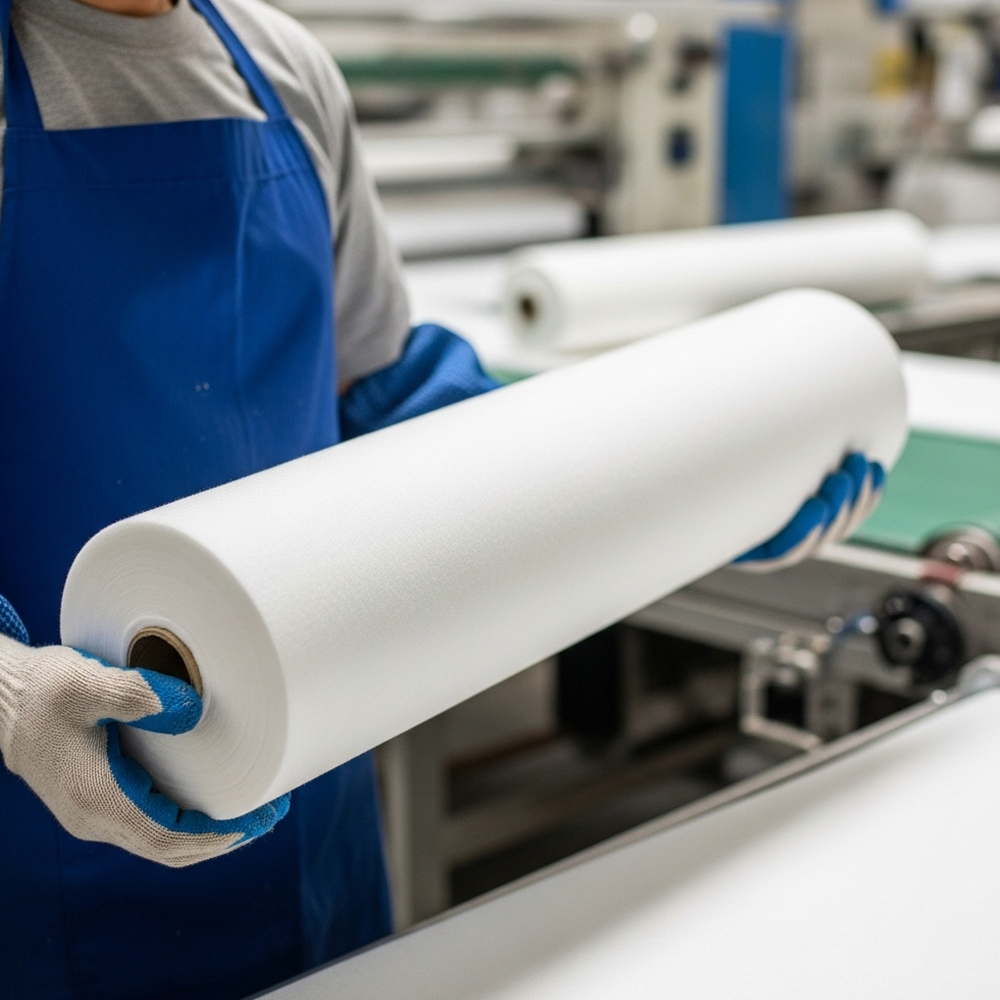
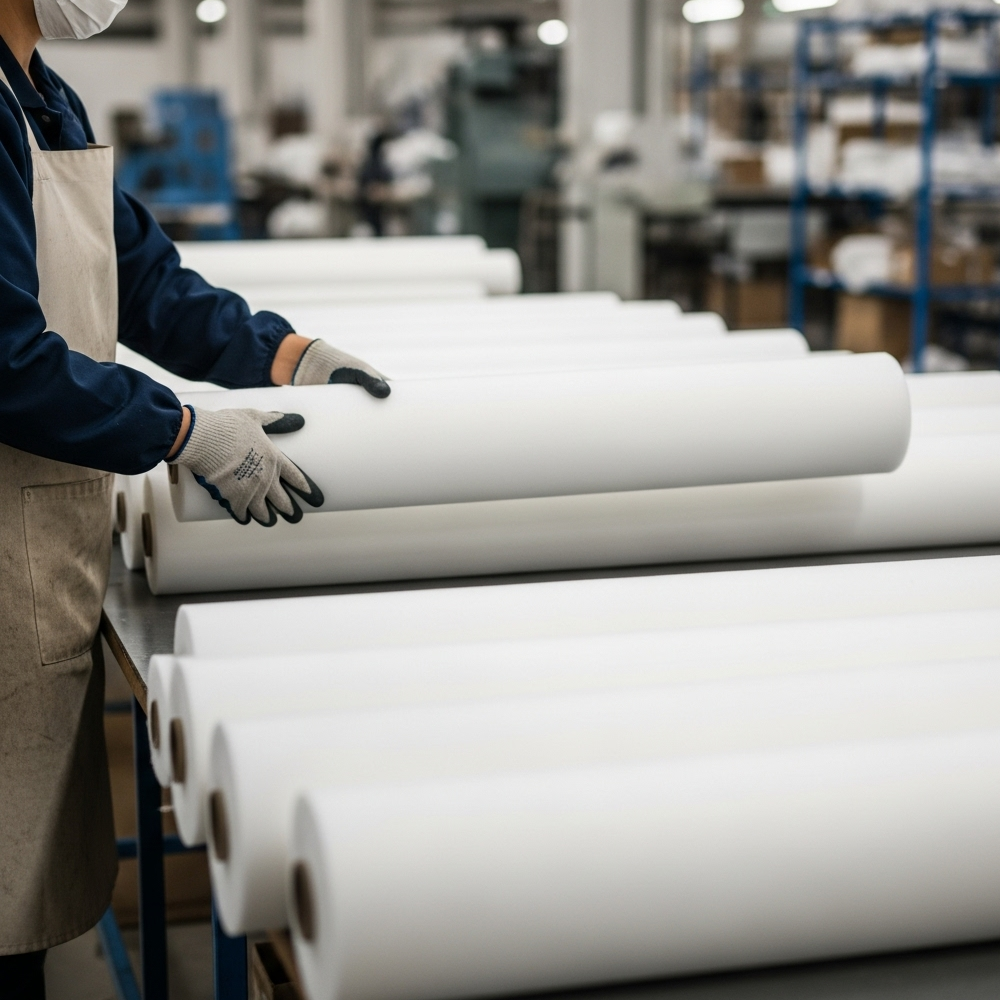
When talking about the quality and elegance of a garment, many people focus on the type of fabric and tailoring. However, the truth is that men’s garment interlinings play a fundamental role that is no less important in determining the final look of the garment and its durability over time. Interlining is the hidden element that gives the collar its structure, the sleeves their shape, and the chest panel its refined appearance. Despite this, many people make common mistakes when choosing interlinings, leading to unsatisfactory results in both appearance and garment lifespan.
In this article, we highlight the most common of these mistakes and how to avoid them to achieve the best possible result.
1. Choosing the Wrong Type of Interlining for Its Purpose
One of the most common mistakes is using an interlining type that does not suit its intended use. For example, the interlining used in collars should be thicker and more structured compared to that used in sleeves. “Double” interlining is typically used for collars due to its thickness, while “single” interlining is used for sleeves or sometimes collars depending on the design.
Choosing the wrong type leads to:
- A loose or unstable collar
- Overly stiff sleeves
- An unbalanced overall appearance of the garment
2. Ignoring the Quality of Materials Used
Not all men’s garment interlinings are equal in quality. There is a significant difference between interlinings made from 100% natural cotton and those made from blended or synthetic materials.
High-quality cotton interlinings provide:
- Stronger structure
- Better compatibility with all fabric types
- Resistance to frequent washing and use
On the other hand, lower-quality interlinings may quickly lose their structure or give an undesirable artificial look. It is well known that premium cotton interlinings deliver superior performance compared to other options.
3. Not Paying Attention to Weight and Thickness
The weight and thickness of the interlining are crucial factors in the garment’s appearance. Using a lightweight interlining where strong support is needed (such as the collar) results in a weak look, while using a heavy interlining in the wrong place may make the garment appear excessive or uncomfortable.
The right choice depends on:
- The type of fabric
- The garment design
- The purpose of use (daily or formal)
4. Neglecting the Quality of the Adhesive Material (Fusible Layer)
The adhesive material, often referred to as “fusible,” is what bonds the interlining to the fabric. With heat and pressure, it transforms into a strong adhesive layer that ensures firm bonding between the two layers.
Ignoring its quality leads to:
- Separation after washing
- Bubbling in the fabric
- Loss of the garment’s overall shape
5. Not Considering the Type of Chest Panel
The chest panel (front placket area) is a key element in the garment’s overall look and requires suitable interlining whether it uses buttons or a zipper. Choosing the wrong type can affect:
- The garment’s flow
- Ease of use
- Final appearance when closed
6. Relying on Price Alone
A common mistake is choosing interlining based solely on price without considering quality. While some cheaper options may seem attractive, they often cost more in the long run due to:
- Short garment lifespan
- Need for frequent replacement
- Loss of an elegant appearance
7. Ignoring Compatibility Between Interlining and Fabric
Not all interlinings suit all types of fabrics. Lightweight fabrics require lightweight interlinings, while heavier fabrics need stronger support. Lack of compatibility leads to:
- Unwanted wrinkles
- Tightness or sagging in certain areas
- An unprofessional appearance
Conclusion
Choosing men’s garment interlinings is not a simple decision as البعض might think; it is a key factor in determining the garment’s quality and final appearance. By avoiding common mistakes such as selecting the wrong type, ignoring material quality, or relying solely on price, you can ensure a garment that is elegant, comfortable, and long-lasting.
Golden Rule:
A premium garment starts from within — and interlining is the foundation of that excellence.