When discussing the quality and elegance of a thobe, the first things that come to mind are usually the fabric and tailoring. However, the most important factor that many overlook is garment interlining. This invisible component is what truly makes the difference between an ordinary thobe and a premium one that maintains its shape and elegance over time.
Garment interlining is the internal element used in specific areas of the thobe—such as the collar, cuffs, and chest panel—to provide structure and a well-balanced shape. Despite its simplicity, it plays a critical role in determining the overall quality of the final product.
What is Garment Interlining?
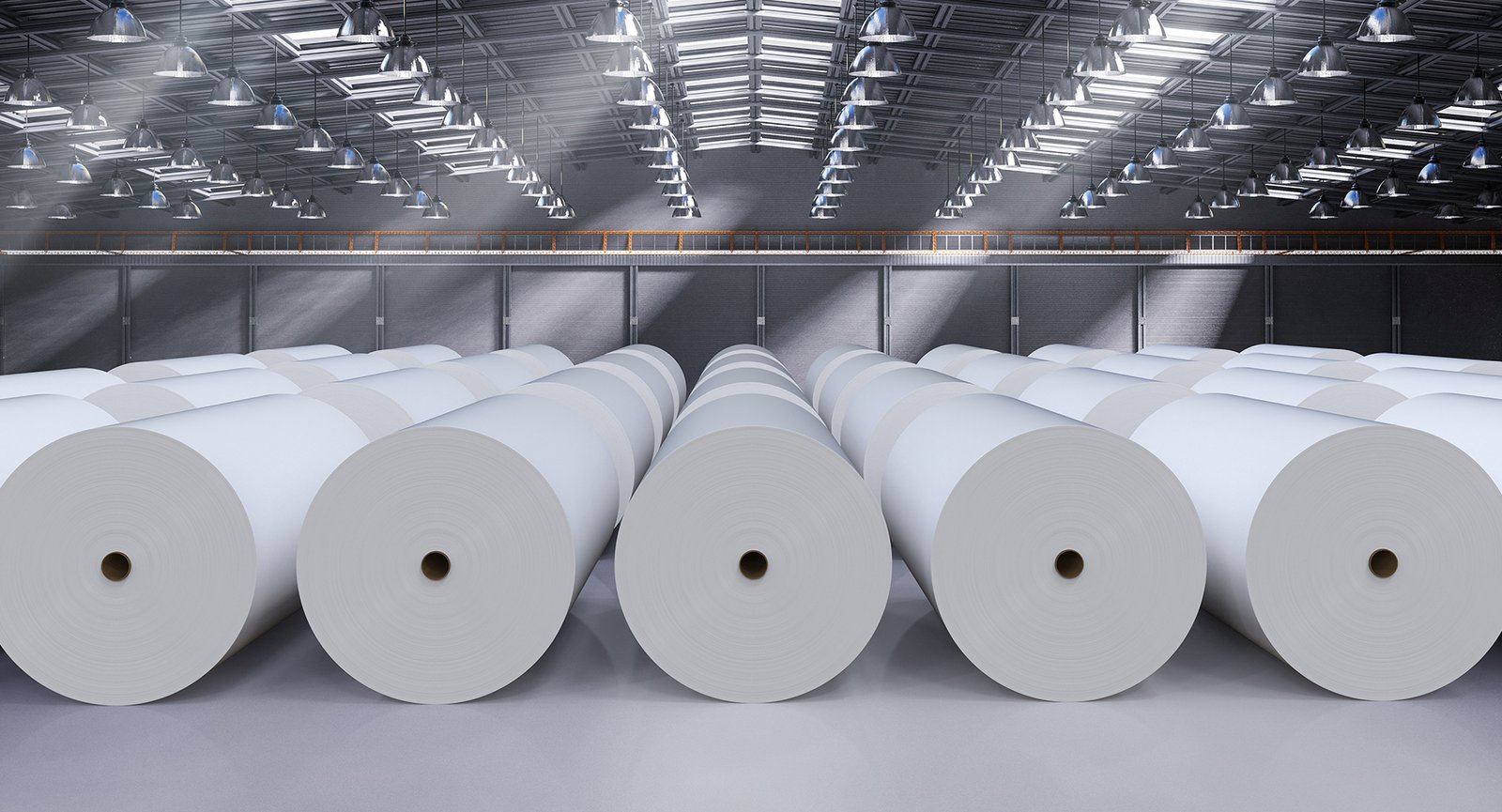
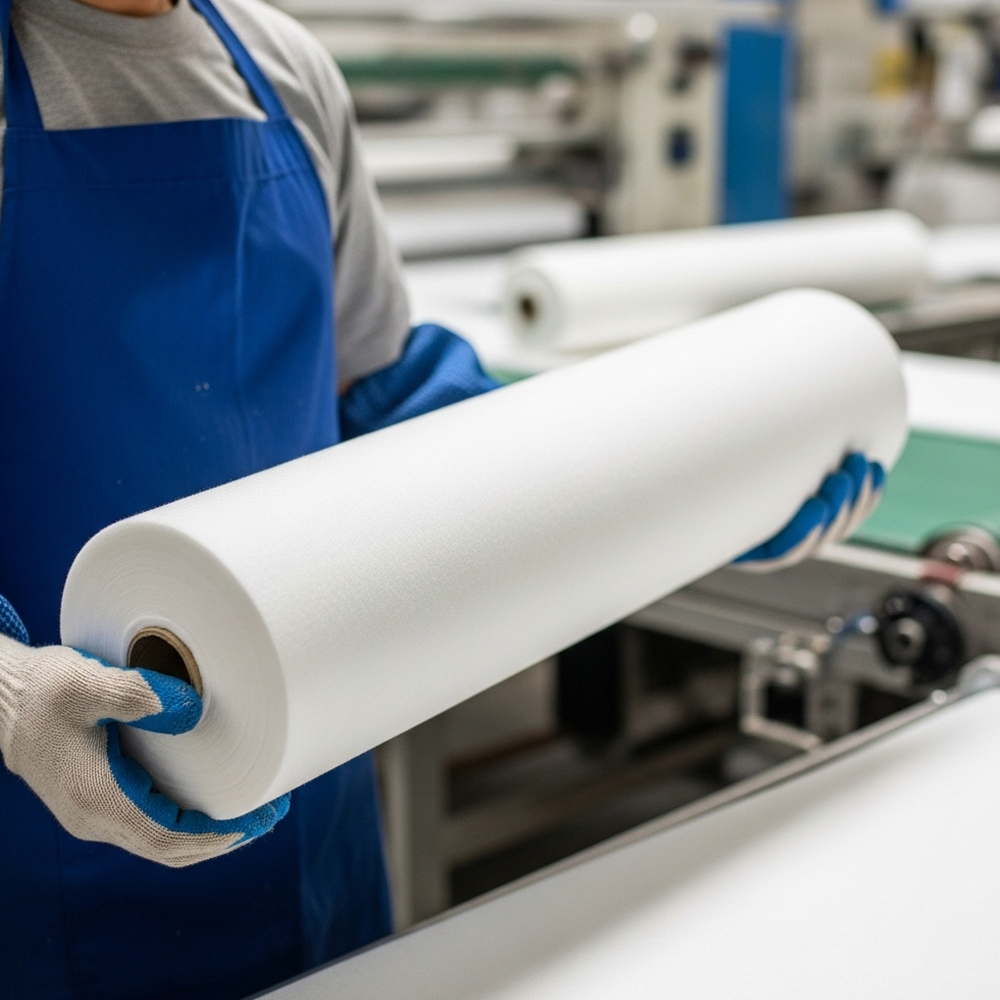
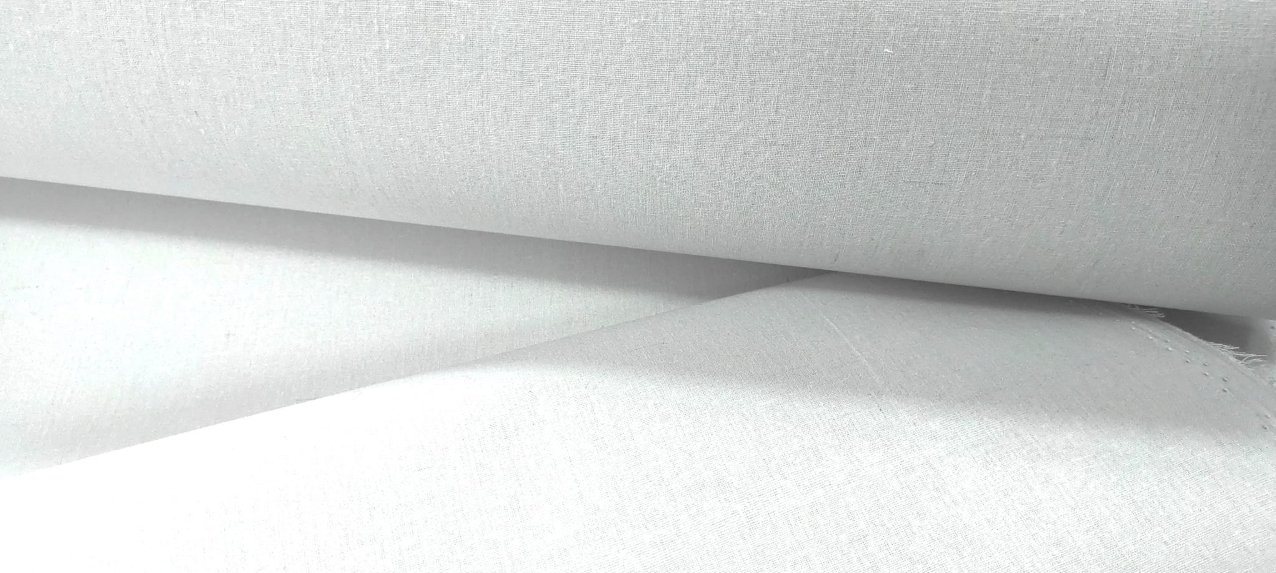
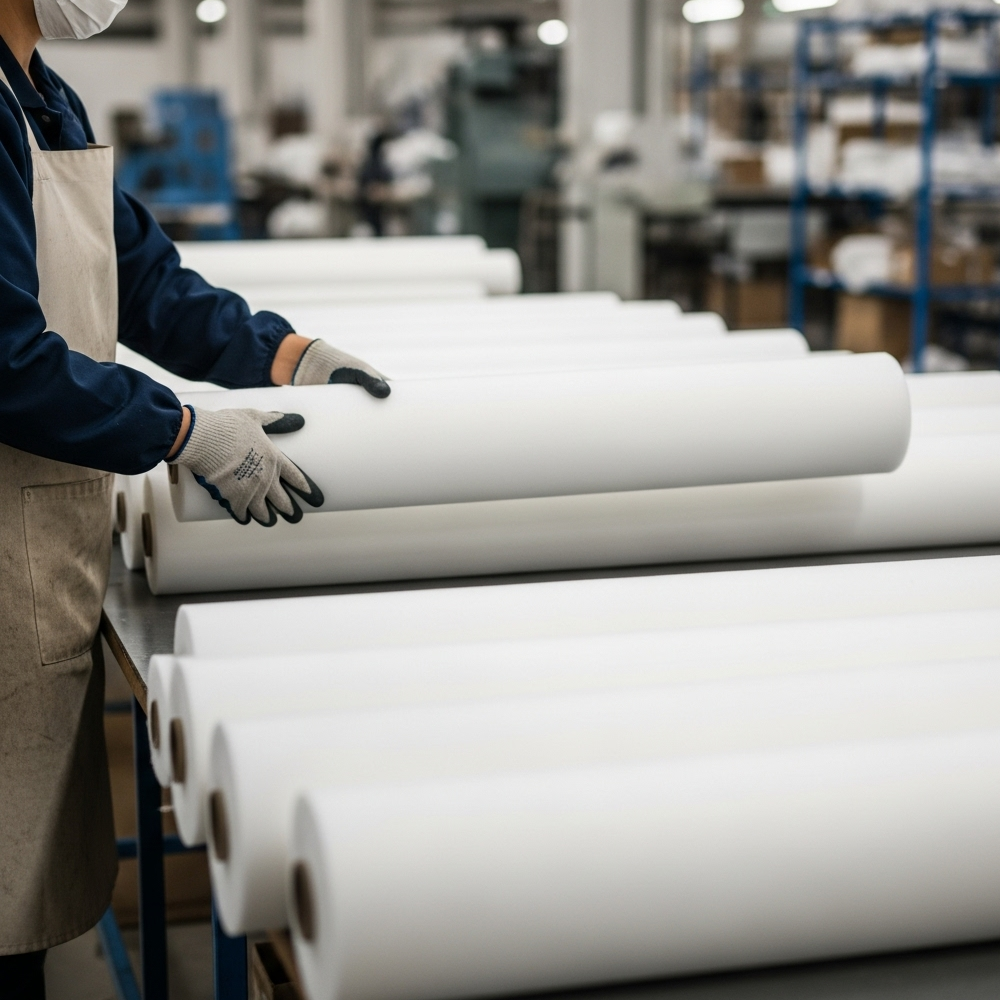
Garment interlining is a material that is fused with the main fabric to enhance structure and stability. It is primarily used in:
- Collar (Kolar)
- Cuffs (Kaffs)
- Chest panel (front placket area)
These interlinings come in different types, including natural cotton, blended materials, and plastic-based options—each with its own characteristics and uses.
Why is Garment Interlining Important?
The importance of garment interlining lies in several key aspects that directly affect user experience and thobe quality:
1. Maintaining the Overall Shape
Interlining gives the collar its firmness and prevents it from bending or sagging, while also helping the cuffs retain their elegant structure.
2. Enhancing a Professional Appearance
A thobe that uses high-quality garment interlining looks more refined and well-structured, especially in formal settings.
3. Extending the Lifespan of the Thobe
Good interlinings reduce the impact of repeated washing and daily use, helping the thobe maintain its quality for a longer time.
Types of Garment Interlining
Garment interlining varies based on material and usage. The most common types include:
Cotton Interlining (Premium)
- Made from 100% natural cotton
- Provides strong structure
- Ideal for high-end thobes
Blended Interlining
- A mix of cotton and polyester
- Balances quality and cost
Plastic Interlining (Standard)
- Economical option
- Commonly used in basic, high-volume production
Interlinings also differ by application:
- Double (Duble): Thicker and mainly used in collars
- Single (Single): Lighter and used in cuffs
- Chest Panel (Placket): Designed specifically for the front chest area
How Does Garment Interlining Work Inside the Fabric?
Garment interlining is applied using an adhesive layer known as “fusible.” It is placed between the interlining and the fabric, then bonded باستخدام heat and high pressure.
This process allows the interlining to fully integrate with the fabric, providing strong structure and long-lasting stability.
For this reason, choosing high-quality garment interlining is always recommended to achieve the best results—especially for thobes that are used frequently.
Conclusion
Garment interlining is not just an additional component in a thobe—it is the foundation of quality and refined appearance. Choosing the right interlining ensures a structured garment that maintains its shape and lasts longer without losing its elegance.
If you are looking for a thobe that reflects both style and quality, start from within… because the real secret lies in garment interlining.