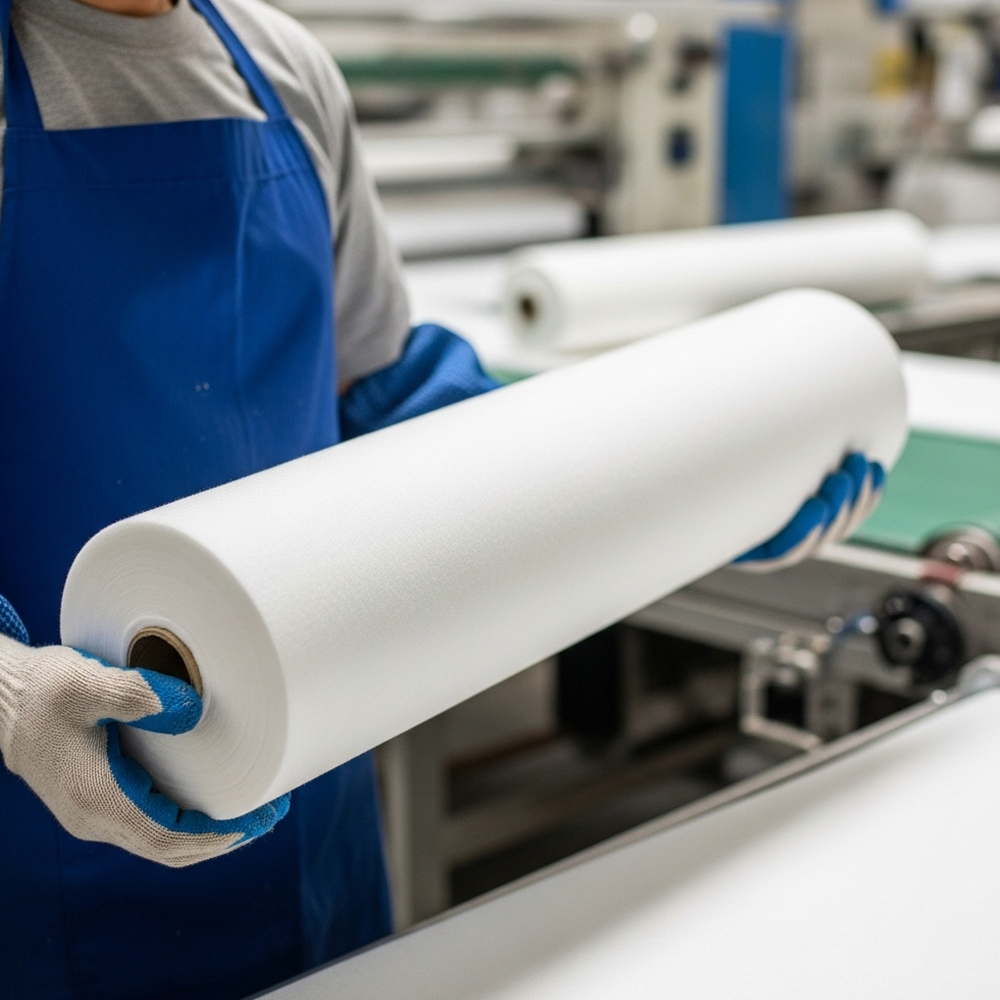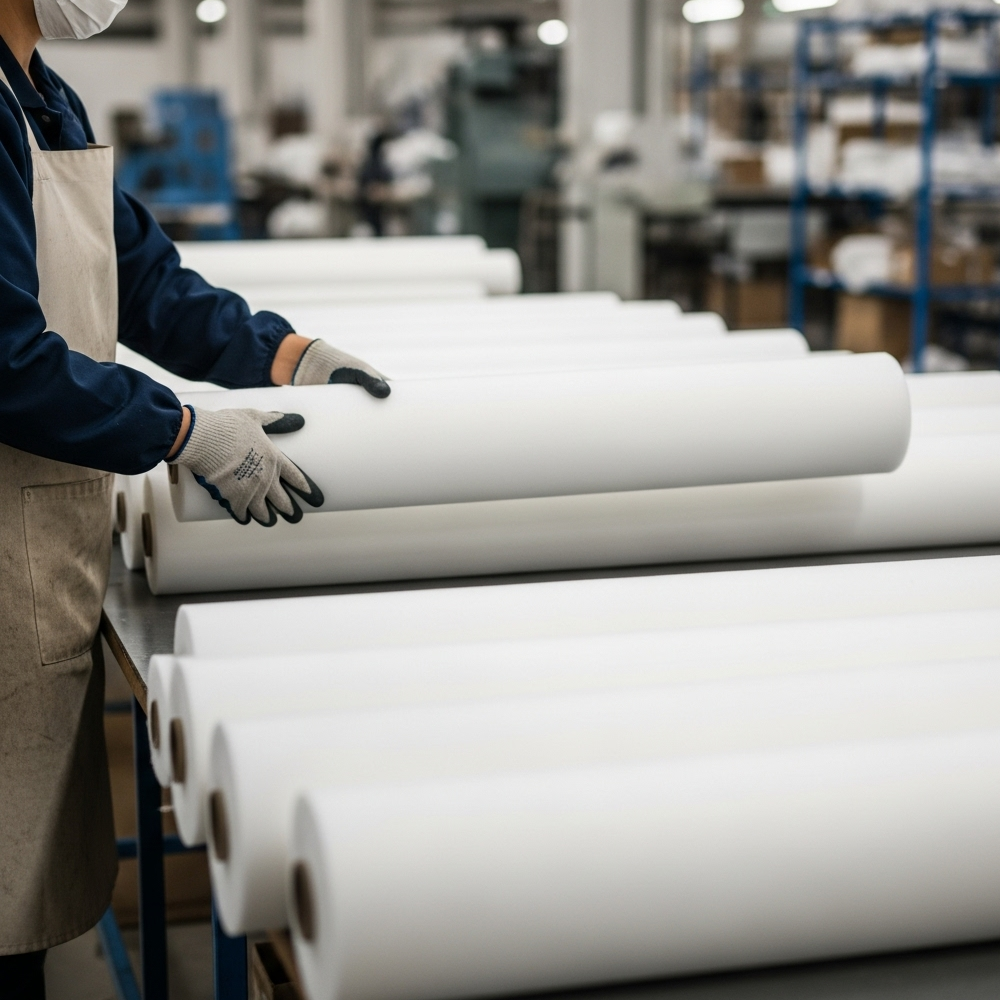
When discussing the quality of a Saudi thobe, most people focus on the fabric, tailoring, and overall craftsmanship. However, one of the most important elements that significantly affects the thobe’s appearance, durability, and structure is the choice of thobe interlinings.
Thobe interlinings play a critical role in maintaining the shape of collars, cuffs, and plackets. They provide the support needed to keep a thobe looking elegant and professional over time. For this reason, premium tailoring workshops and high-end thobe manufacturers pay close attention to selecting the right interlining material.
Today, the two most common options are cotton interlinings and polyester (plastic) interlinings. But what are the differences between them, and which one is the better choice for a Saudi thobe?
What Are Thobe Interlinings?
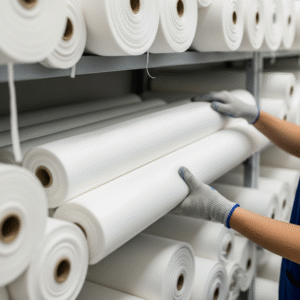
Thobe interlinings are internal support materials bonded to the fabric using a special adhesive coating, heat, and pressure. Their purpose is to reinforce specific areas of the garment and provide structure and stability.
They are commonly used in:
Collars
Cuffs
Front plackets
The type of interlining used has a direct impact on the quality, appearance, and lifespan of the thobe.
Cotton Interlinings
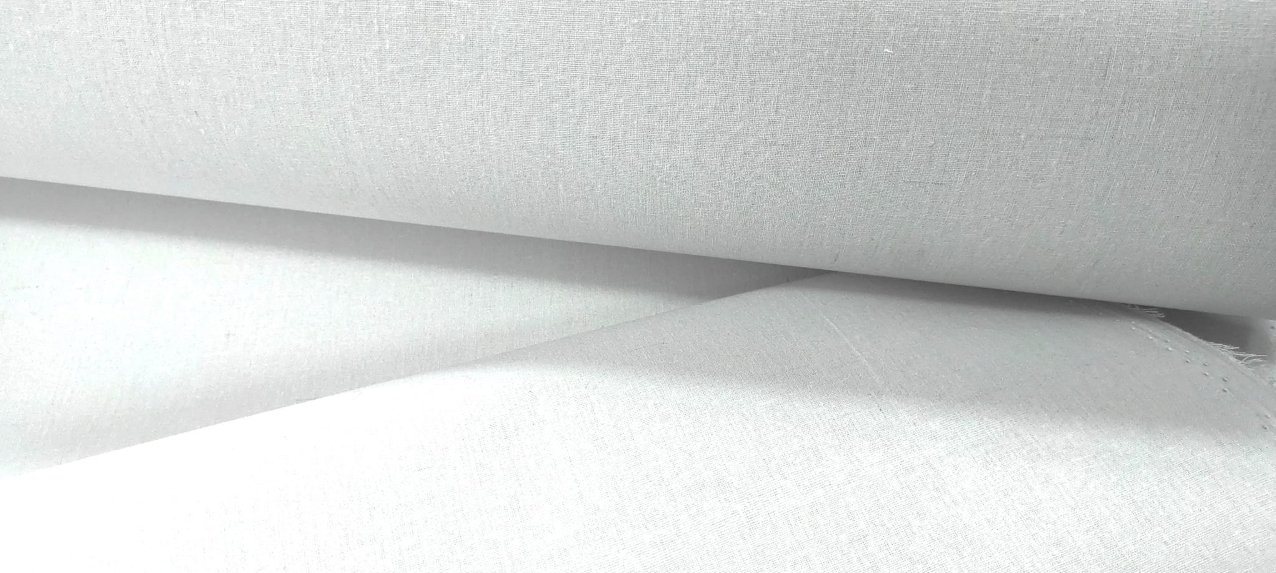
Cotton interlinings are manufactured from natural cotton fibers and are widely considered the preferred choice for premium-quality thobes.
Their main advantages include:
Superior bonding and stability
Excellent compatibility with different fabric types
High resistance to frequent washing and daily use
Long-lasting performance
A more luxurious and professional appearance
Cotton interlinings provide the ideal balance of firmness and flexibility, allowing collars and cuffs to maintain their shape while still looking natural and elegant.
An important point to note is that cotton interlinings require a professional hydraulic press to achieve the highest quality results. Proper heat, pressure, and pressing time ensure maximum adhesion between the interlining and the fabric.
This is one of the reasons why many premium tailoring workshops and luxury thobe manufacturers prefer cotton interlinings combined with hydraulic pressing systems.
Polyester (Plastic) Interlinings
Polyester interlinings, often referred to as plastic interlinings, are manufactured from synthetic fibers and are generally used as a more economical alternative to cotton interlinings.
Their advantages include:
Lower cost
Suitable for budget-friendly production
Easy to process and apply
However, they typically do not provide the same level of fabric integration, durability, or premium appearance as cotton interlinings.
Cotton vs. Polyester Interlinings: Key Differences
1. Material Composition
Cotton Interlinings
Made from natural cotton fibers
Offer a more natural feel and performance
Polyester Interlinings
Made from synthetic fibers
Designed primarily for cost efficiency
2. Fabric Compatibility
Cotton Interlinings
Blend naturally with most thobe fabrics
Deliver consistent performance across different fabric types
Polyester Interlinings
Performance may vary depending on the fabric used
Often provide less natural integration with premium fabrics
3. Durability and Washing Performance
Cotton Interlinings
Highly resistant to repeated washing and daily wear
Maintain their structure and appearance for longer periods
Polyester Interlinings
Generally more sensitive to repeated washing cycles
May lose some of their bonding strength over time
This difference becomes especially noticeable in commercial laundry services, where high temperatures and stronger cleaning processes are commonly used. Under these conditions, polyester interlinings tend to show signs of wear and deterioration more quickly than cotton alternatives.
4. Appearance and Finish
Cotton Interlinings
Create a more refined and premium finish
Help collars, cuffs, and plackets retain their elegant appearance
Polyester Interlinings
Suitable for standard applications
Typically do not provide the same luxury look associated with premium thobes
Which Is Better for a Saudi Thobe?
For those seeking the highest levels of quality, durability, and elegance, cotton interlinings are generally the preferred choice for Saudi thobes.
Their advantages include:
Stronger bonding
Better fabric compatibility
Greater resistance to washing and wear
Longer-lasting structure
A more premium appearance
These qualities explain why cotton interlinings are widely used by many high-end tailoring workshops and luxury thobe manufacturers.
Polyester interlinings, on the other hand, remain a practical solution for projects where affordability is the primary consideration.
How to Choose the Right Interlining
Before selecting an interlining, consider the following factors:
Fabric type
Frequency of use
Desired quality level
Budget requirements
Whether the interlining will be used in collars, cuffs, or plackets
Choosing the correct interlining ensures better garment performance and a more professional final appearance.
Conclusion
Selecting the right thobe interlining is one of the most important factors in determining the quality and longevity of a Saudi thobe. While both cotton and polyester interlinings have their applications, cotton interlinings consistently stand out in terms of durability, fabric compatibility, appearance, and long-term performance.
For premium thobes that maintain their shape, elegance, and structure over time, cotton interlinings remain the preferred choice among professional tailors and luxury thobe manufacturers.
Ultimately, the finest thobes are not defined only by the fabric or tailoring—but by the quality of the unseen details inside them, and interlinings are among the most important of those details.